
Saturday, 11 Apr 2026
Subscribe
logo
  • Global
  • AI
  • Cloud Computing
  • Edge Computing
  • Security
  • Investment
  • Sustainability
  • More
    • Colocation
    • Quantum Computing
    • Regulation & Policy
    • Infrastructure
    • Power & Cooling
    • Design
    • Innovations
    • Blog
Font ResizerAa
Data Center NewsData Center News
Search
  • Global
  • AI
  • Cloud Computing
  • Edge Computing
  • Security
  • Investment
  • Sustainability
  • More
    • Colocation
    • Quantum Computing
    • Regulation & Policy
    • Infrastructure
    • Power & Cooling
    • Design
    • Innovations
    • Blog
Have an existing account? Sign In
Follow US
© 2022 Foxiz News Network. Ruby Design Company. All Rights Reserved.
Data Center News > Blog > Regulation & Policy > The Key Benefits of Hybrid Data Centers
Regulation & Policy

The Key Benefits of Hybrid Data Centers

Last updated: January 31, 2024 12:36 am
Published January 31, 2024
Share
CxoToday
SHARE

By Shrikant Navelkar

The need for hybrid data centers is closely tied to the growing adoption of decentralized IT infrastructure in modern business environments. Hybrid data centers play a crucial role in accommodating the distributed nature of IT resources, combining on-premises or private cloud infrastructure with public cloud services. This approach allows organizations to seamlessly integrate and manage workloads across various environments, addressing the demands of decentralization.

Hybrid Data Center Explained…

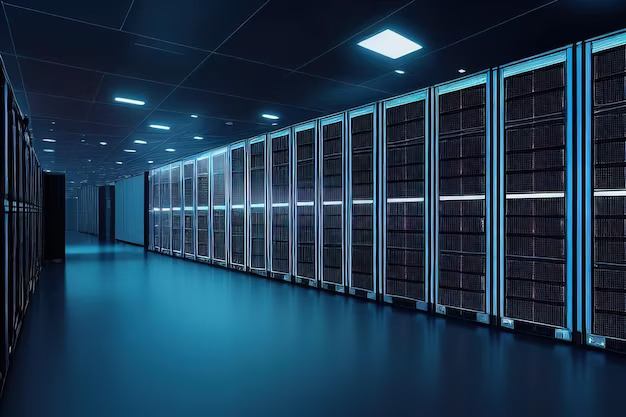
 Hybrid data center refer to a computing environment that combines elements of both on-premises (traditional, privately-owned data centers) and cloud-based infrastructure. This model allows organizations to leverage the benefits of both worlds, thereby creating a flexible and scalable IT infrastructure. In a hybrid data center, some workloads and applications are hosted on local servers within the organization’s premises, while others are deployed in the cloud.

Enterprises might consider switching to hybrid data centers for several reasons, as this model offers a balance between on-premises infrastructure and cloud services. Here are some potential benefits:

Scalability and Flexibility – Hybrid data centers allow organizations to scale their IT resources up or ramp down based on demand. This flexibility is crucial for handling variable workloads and adapting to changing business needs.

Cost Efficiency – By leveraging both on-premises and cloud resources, enterprises can optimize costs. They can maintain essential workloads on-site while utilizing the cloud for peak demands, avoiding the need to over-provision on-premises infrastructure for occasional spikes.

Security and Compliance – Sensitive data or workloads that require strict compliance with regulations might be kept on-premises, providing a higher level of control and security. Meanwhile, less sensitive operations can benefit from the scalability and flexibility of cloud.

See also  Stock and Share Market News, Economy and Finance News, Sensex, Nifty, Global Market, NSE, BSE Live IPO News

Disaster Recovery and Business Continuity – Hybrid architectures enhance disaster recovery capabilities by allowing organizations to replicate critical data and applications in both on-premises and cloud environments.

Innovation and Agility – Hybrid setups enable enterprises to take advantage of cloud-based services and technologies for innovation without completely abandoning existing on-premises investments. This promotes agility and the ability to adopt new technologies as they emerge.

Optimized Performance – Certain workloads may perform better in specific environments due to compatibility reasons. Hybrid data centers provide the flexibility to allocate workloads where they are most optimized, whether that’s on-premises or in the cloud.

Data Locality – Some industries or regulations may require data to be stored in specific geographic locations. Hybrid architectures allow organizations to comply with such regulations while still benefiting from cloud services.

In conclusion, the hybrid data center model offers a middle path that combines the best of both on-premises and cloud solutions, providing enterprises with the flexibility, scalability, security, and cost-efficiency needed to meet the demands of a dynamic business environment, while ensuring strict adherence to regulatory and compliance mandates.


(The author is Shrikant Navelkar, Director, Clover Infotech, and the views expressed in this article are his own)


Source link

TAGGED: benefits, Centers, data, hybrid, Key
Share This Article
Twitter Email Copy Link Print
Previous Article AI AI innovation package launched by European Commission to support startups and SMEs
Next Article AI car safety research project gets a $100K boost from the Department of Transportation AI car safety research project gets a $100K boost from the Department of Transportation
Leave a comment

Leave a Reply Cancel reply

Your email address will not be published. Required fields are marked *

Your Trusted Source for Accurate and Timely Updates!

Our commitment to accuracy, impartiality, and delivering breaking news as it happens has earned us the trust of a vast audience. Stay ahead with real-time updates on the latest events, trends.
FacebookLike
TwitterFollow
InstagramFollow
YoutubeSubscribe
LinkedInFollow
MediumFollow
- Advertisement -
Ad image

Popular Posts

An Inflection Point for the Data Center Market

In a transfer that has despatched ripples by way of the true property funding belief…

February 16, 2024

datacenterHawk Panel Forecasts Key Global Data Center Trends for 2024

VIDEO – The data center industry stands on the brink of a transformative 2024, propelled…

January 22, 2024

Can retired naval power plants solve the data center power crunch?

HGP’s plan features a income share with the federal government, and the corporate would create…

January 14, 2026

Fifteenth Raises $8.25M in Seed Funding

Fifteenth, a San Francisco, CA-based tax answer firm, raised $8.25M in Seed funding. The spherical…

February 11, 2025

Zededa and OnLogic join forces to simplify secure industrial edge deployments

Zededa and OnLogic have partnered to create “OnLogic Powered by ZEDEDA,” integrating edge administration software…

October 25, 2024

You Might Also Like

NTT DATA reveals next-gen Keihanna OSK11 data centre in Kyoto
Power & Cooling

NTT DATA reveals next-gen Keihanna OSK11 data centre in Kyoto

By saad
EMEA data centre vacancy hits record low as AI demand outpaces supply
Global Market

EMEA data centre vacancy hits record low as AI demand outpaces supply

By saad
Zoho confirms launch plans for UK data centre
Global Market

Zoho confirms launch plans for UK data centre

By saad
Stellanor expands to 11 UK data centres with Imagination Technologies deal
Global Market

Stellanor expands to 11 UK data centres with Imagination Technologies deal

By saad
Data Center News
Facebook Twitter Youtube Instagram Linkedin

About US

Data Center News: Stay informed on the pulse of data centers. Latest updates, tech trends, and industry insights—all in one place. Elevate your data infrastructure knowledge.

Top Categories
  • Global Market
  • Infrastructure
  • Innovations
  • Investments
Usefull Links
  • Home
  • Contact
  • Privacy Policy
  • Terms & Conditions

© 2024 – datacenternews.tech – All rights reserved

Welcome Back!

Sign in to your account

Lost your password?
We use cookies to ensure that we give you the best experience on our website. If you continue to use this site we will assume that you are happy with it.
You can revoke your consent any time using the Revoke consent button.